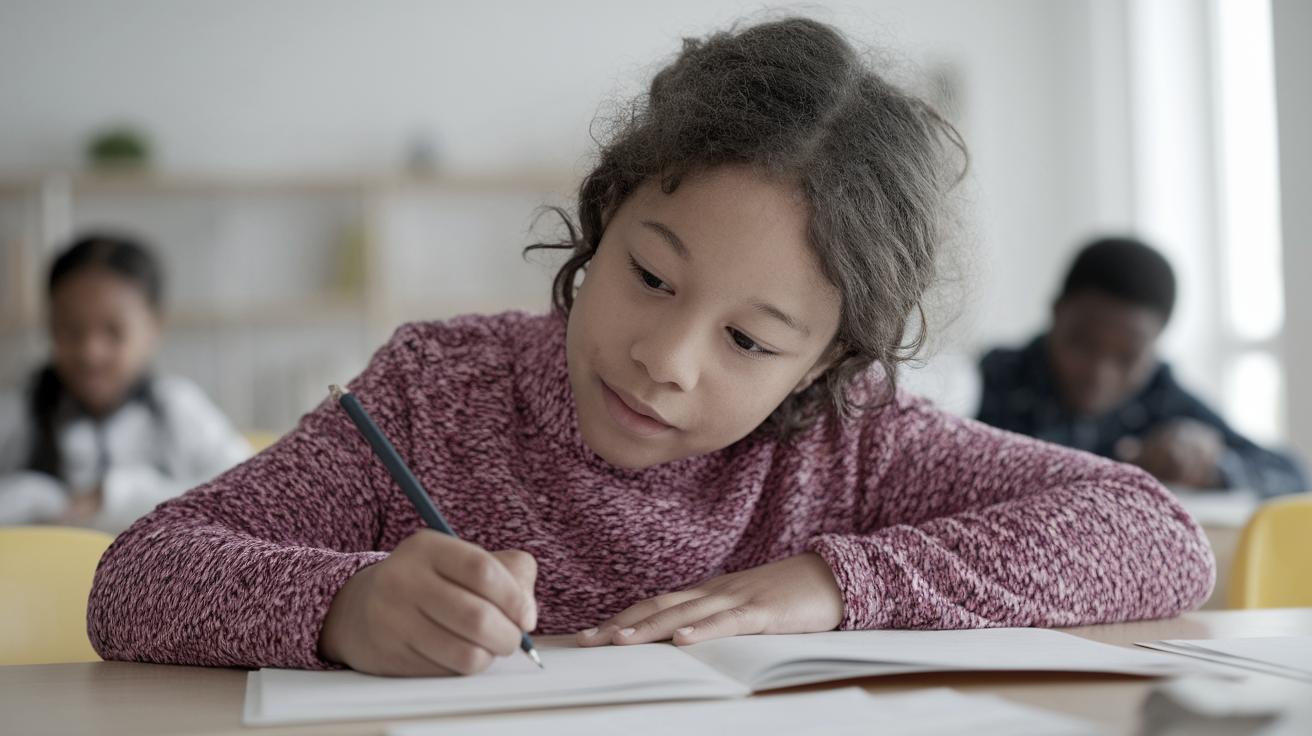
The Impacts of Remote Learning on Education
Remote learning has radically transformed educational landscapes around the globe, driven by the unforeseen challenges of the COVID-19 pandemic. Educators, students, and parents have had to adapt swiftly to a new norm of digital classrooms. While unlocking new frontiers in educational accessibility, remote learning has simultaneously cast a spotlight on existing educational inequalities. This blog delves into the pandemic’s influence on learning, the inequality gaps it widens, and potential strategies to navigate and counteract these impacts. Additionally, we highlight key findings from recent studies to provide an in-depth understanding of the remote learning paradigm.
Abstract
The shift to remote learning during the COVID-19 pandemic has had profound implications on the education sector. The sudden transition has not only highlighted technological disparities but also resulted in significant learning losses. While some regions have successfully integrated digital technologies, others grappled with inadequate infrastructure, drastically affecting educational outcomes. This piece examines these impacts holistically and proposes actionable recommendations to foster equitable learning opportunities.
Our findings indicate that although remote learning offered flexibility and continued education, its efficacy is heavily contingent on students’ socio-economic status and access to technology. We discuss how this has unfolded across different states and propose measures to cushion the adverse effects, including improving digital infrastructure and promoting blended learning models for future resilience.
How COVID-19 Affected Education
The COVID-19 pandemic necessitated an abrupt shift from traditional classroom settings to remote learning methodologies. This transition exposed various inadequacies within educational systems globally, particularly regarding accessibility to digital resources. As schools closed overnight, both students and teachers faced the daunting task of adapting to new educational tools and platforms.
In addition, the lack of face-to-face interactions challenged engagement and motivation levels among students, leading to concerns about mental health and student well-being. Many parents found themselves thrust into the role of educators, further complicating the home-work balance. The disparities in technology access simply exacerbated the inequalities that pervade educational achievements globally.
Key Findings on the Learning Loss Due to COVID-19
Recent studies have indicated significant learning loss during the pandemic, particularly in foundational subjects like mathematics and reading. The extended periods away from physical classrooms have led to long-term retention issues, as students struggled to keep pace with curriculum demands in a virtual environment.
Quantitative data from researchers indicates that students in remote settings lagged behind their peers who had access to in-person learning opportunities once schools reopened. The loss was particularly acute in economically disadvantaged communities, which often lack the resources—such as internet connectivity and devices—necessary for effective remote schooling.
COVID-19 Education Gaps by State
The impact of the pandemic on education varied significantly across different U.S. states, with local policies influencing outcomes. States with well-established digital infrastructures managed the shift more effectively, whereas others faced significant hurdles. Differences in reopening strategies also led to varied educational experiences.
For instance, states that quickly implemented online learning frameworks and distributed digital devices saw relatively lesser educational disruption. In contrast, regions beset by economic challenges faced more significant disruptions, highlighting a clear digital divide that continues to affect learning efficacy across socio-economic groups.
Beyond the Pandemic Learning Loss
While immediate learning losses are a major concern, attention must also turn to the long-term implications of the pandemic on education. The shift in educational paradigms offers an opportunity to re-evaluate teaching methodologies and embrace technological advancements, suggesting a hybrid future that leverages both remote and in-person strengths.
Innovations in educational technology can expand learning environments beyond pre-existing limitations, potentially enhancing personalization and accessibility. However, these advances require robust infrastructure and equitable resource distribution, stressing the importance of policies that address these new educational demands.
Recommendations to Counteract the COVID-19 Impact on Education
To address the learning losses and inequalities exacerbated by the pandemic, educators and policymakers must prioritize equitable access to technology. Initiatives to distribute digital devices and improve internet connectivity can mitigate some of the immediate challenges faced by students in remote learning contexts.
Additionally, blending learning models that combine in-person instruction with online resources could enable a more adaptable and resilient educational framework. Comprehensive teacher training programs should be designed to equip educators with the skills needed for digital teaching, ensuring that the transition to remote or hybrid models is smooth and effective.
Pandemic Learning Loss Frequently Asked Questions
Many parents and educators share concerns about the long-term impacts of pandemic-induced learning losses. A common question revolves around how to effectively measure and address these deficits. Standardized testing and formative assessments play a critical role in identifying and bridging knowledge gaps.
Another prevalent question regards the emotional and psychological effects on students. Schools should incorporate mental health support services into their infrastructures, providing students with access to counseling and wellness programs. Continuous research is needed to understand and mitigate these psychological challenges fully.
Authors
This article was written by an interdisciplinary team of educators, researchers, and journalists dedicated to exploring the impacts of remote learning on education. Each member brings expertise in education technology, policy analysis, and digital innovations, ensuring a comprehensive and insightful analysis.
Our collaborative approach combines empirical data with personal narratives from teachers and students across various states. This multi-faceted perspective aims to provide a holistic understanding of how education continues to evolve amidst unprecedented challenges.
Related Articles
This post is related to:
- “The Future of Hybrid Learning Models.”
- “Educational Equality in the Digital Age.”
- “Technological Advances Post-Pandemic: The New Education Paradigm.”
Media Contact
For media inquiries, interviews, or further information, please contact our media team at mediarelations@educationnews.com or call 1-800-EDU-NEWS.
Future Prospects
| Aspect | Key Insights | Recommendations |
|---|---|---|
| Digital Divide | Highlighted inequality in technology access. | Implement policies for equitable tech distribution. |
| Learning Loss | Significant setbacks in core subjects like math. | Enhance tutoring and focused recovery programs. |
| Long-Term Impact | Potential to transform educational delivery methods. | Integrate hybrid learning models and teacher training. |