The Impact of Education on Personal Development
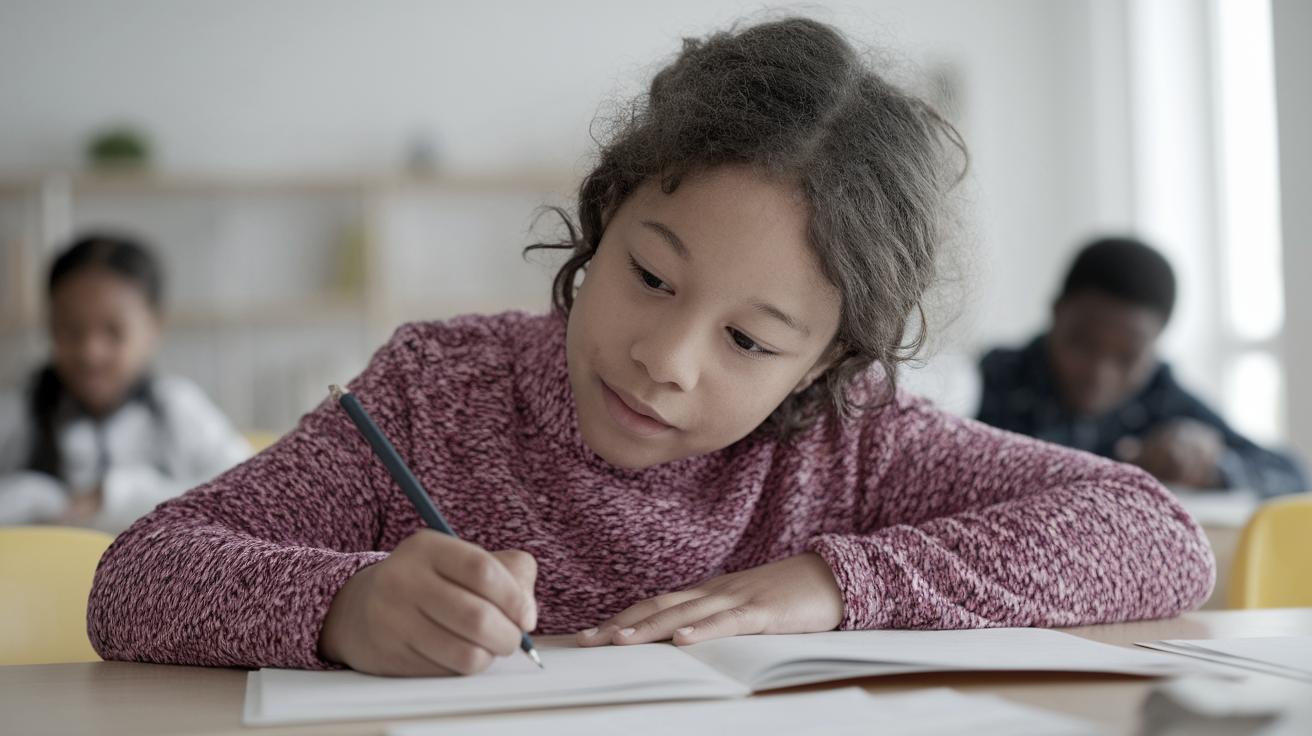
Education serves as a fundamental pillar in shaping an individual’s personal development. This exploration dives into the multifaceted ways in which education enriches personal growth. From enhancing knowledge to instilling moral values, education transcends mere academic achievement, promoting confidence, skill acquisition, and healthy habits. Moreover, it encourages lifelong learning and self-education, pivotal for personal and professional growth. Ultimately, education’s role in personality development is profound, impacting one’s behavior, confidence, and ability to overcome setbacks, thus crafting well-rounded individuals prepared for life’s challenges.
Education and Personality Development
Understanding Personality Development
Personality development refers to the gradual and complex growth of an individual’s character and identity. It encompasses cognitive, emotional, and social aspects, shaping how individuals perceive the world and interact with it. Education plays a critical role in this development by providing structured experiences that influence personal traits and behaviors.
Through interaction with teachers, peers, and diverse learning environments, individuals learn to navigate social norms, develop empathy, and build emotional resilience. These experiences collectively contribute to the molding of one’s personality, highlighting the intertwining of education and personal growth.
Key Components of Personality Development
In the context of education, personality development involves several key components: self-awareness, emotional maturity, and social skills. Self-awareness allows individuals to understand their strengths, weaknesses, and motivations, essential for personal growth.
Emotional maturity, another crucial factor, is enhanced through the challenges and support provided within educational settings, teaching students to handle emotions constructively. Similarly, educational institutions foster social skills, empowering students to communicate effectively and collaborate with others, essential traits for personal and professional success.
Role of Education in Providing Knowledge
Broadening Horizons through Knowledge
One of the primary roles of education is to impart knowledge, expanding an individual’s understanding of the world. This process broadens horizons, encouraging curiosity and critical thinking. Through diverse subjects and disciplines, learners gain insight into various fields, fostering a well-rounded worldview.
Exposure to different perspectives and cultures through education encourages open-mindedness and adaptability, essential qualities in today’s globalized society. This broadening effect of education enables individuals to relate to diverse experiences, facilitating personal growth and exploration.
Knowledge as a Personality Booster
Acquiring knowledge is inherently empowering, boosting self-esteem and self-confidence. As individuals gain a deeper understanding of complex subjects, they become more confident in their abilities to contribute meaningfully to discussions and problems.
This confidence is crucial for personal development, allowing individuals to take on challenges, express their opinions, and pursue opportunities with assurance. The positive reinforcement of learned competence fuels further pursuit of knowledge, fostering a cycle of continuous growth and personality enhancement.
Moral Values and Education
Teaching Right from Wrong
Education is instrumental in instilling moral values, teaching students to discern right from wrong. Through curriculum and discussions, learners develop an understanding of ethics and the impact of their actions on others.
This moral framework guides decision-making and behavior, cultivating a sense of responsibility and empathy. These ethical principles are foundational to personal character, underpinning a person’s integrity and interactions within society.
Overcoming Setbacks
Educational environments provide a safe space to experience and overcome setbacks. Learning to cope with failure and challenges is a significant aspect of personal development, fostering resilience and persistence.
Education equips individuals with problem-solving skills and determination, essential for navigating life’s hurdles. The ability to view setbacks as learning opportunities enhances personal growth, teaching valuable lessons in perseverance and adaptability.
Enhancing Confidence through Education
Building Self-Confidence
Education plays a vital role in building self-confidence by providing achievements and affirmations of capabilities. Success in academics and extracurricular activities reinforces self-belief and a positive self-image.
This self-confidence is crucial for personal growth, enabling individuals to pursue goals, take risks, and assert themselves in various situations. A strong sense of self-assurance fosters independence and leadership skills, pivotal in personal and professional domains.
Practical Confidence-Building Opportunities
Educational settings offer numerous opportunities for practical confidence-building, such as public speaking, group projects, and leadership roles. These experiences teach students to articulate ideas, work collaboratively, and manage responsibilities effectively.
Practical exposure to diverse scenarios enhances adaptability and resilience, fortifying an individual’s ability to thrive in dynamic environments. Education’s role in facilitating these experiences is indispensable for cultivating lifelong confidence.
Providing Skills and Experience
Opportunities for Skill Development
Education serves as a cornerstone for skill development, offering courses and activities that nurture both hard and soft skills. From technical expertise to interpersonal communication, education provides the foundation for diverse competencies.
The acquisition of these skills is critical for personal development, equipping individuals to navigate various aspects of life effectively. This skillset not only enhances personal growth but also increases employability and career advancement prospects.
Continuous Learning
The educational journey emphasizes the importance of continuous learning. As knowledge evolves, so does the need for skills adaptation and lifelong education. This mindset of ongoing improvement is pivotal for personal development, encouraging individuals to remain curious and open to new ideas.
Continuous learning fosters adaptability and innovation, essential qualities in today’s rapidly changing world. It motivates individuals to seek growth opportunities, contributing to personal and professional success.
Teaching Good Behavior and Etiquette
Learning Social Etiquette
Education instills social etiquette, guiding individuals in appropriate conduct and interaction within society. From small gestures to complex social dynamics, education educates learners on the nuances of respectful and considerate behavior.
These lessons shape an individual’s social identity, enhancing their ability to build meaningful relationships and contribute positively to community life. Understanding and practicing social etiquette is a critical aspect of holistic personal development.
Code of Conduct
Educational institutions often incorporate codes of conduct, outlining expected behaviors and principles. Adherence to these codes reinforces discipline, respect, and integrity, essential components of personal character.
By learning and following a code of conduct, individuals internalize the values of honesty, responsibility, and fairness. These principles not only guide personal behavior but also influence professional ethics, fostering integrity and trustworthiness.
Developing Healthy Habits
Importance of Healthy Habits
Education promotes the development of healthy habits, emphasizing the importance of physical and mental well-being. Through activities and health education, learners understand nutrition, exercise, and stress management, foundational aspects of a balanced lifestyle.
Healthy habits contribute to vitality and resilience, enabling individuals to effectively manage physical and emotional health. This aspect of education is crucial for fostering a lifelong commitment to personal well-being.
Habit Formation
Forming sustainable habits is an integral element of personal development. Education provides the structure and knowledge necessary to understand and establish positive routines.
Through discipline and repetition, individuals can embed beneficial practices into daily life, from time management to healthy eating. This capability to form and maintain positive habits is pivotal for achieving personal and professional goals.
Self-Education: A Path to Continuous Growth
The Importance of Self-Education
While formal education lays the groundwork, self-education empowers individuals to take charge of their learning journey. This proactive approach to knowledge acquisition is vital for personal development, fostering independence and a pursuit of interests beyond traditional curriculums.
Self-education allows learners to tailor their growth experiences, exploring passions and developing skills at their own pace. This self-directed learning bolsters confidence, initiative, and the ability to adapt to changing environments.
Effective Self-Education Strategies
Effective self-education requires strategies that optimize learning outcomes. Setting clear goals, leveraging diverse resources, and engaging in reflective practice are essential for meaningful growth.
Incorporating technology and digital platforms expands access to information, enabling learners to explore a wealth of knowledge and perspectives. With the right strategies, self-education becomes a powerful tool for continuous personal and professional development.
Benefits of Self-Education
Personal and Professional Growth
Self-education drives both personal and professional growth, providing the autonomy to pursue areas of interest and career development. By actively seeking knowledge, individuals refine their expertise and expand their skillset, crucial for career advancement.
Moreover, self-education encourages critical thinking and innovation, enhancing problem-solving capabilities and adaptability. These attributes contribute significantly to professional success and satisfaction.
Lifelong Learning
Lifelong learning is a cornerstone of self-education, emphasizing the continuous pursuit of knowledge throughout life. This commitment to learning keeps individuals engaged, informed, and adaptable to changes in personal and professional landscapes.
The principle of lifelong learning fosters resilience and innovation, equipping individuals to navigate the complexities of modern life. It is an essential element for sustaining personal development and fulfilling lifelong potential.
Lessons Learned
| Aspect | Impact on Personal Development |
|---|---|
| Personality Development | Shapes character, identity, and social skills. |
| Knowledge | Broadens horizons, boosts confidence. |
| Moral Values | Instills ethics, fosters responsibility and empathy. |
| Confidence | Increases self-belief and leadership skills. |
| Skills and Experience | Nurtures competencies, drives career advancement. |
| Behavior and Etiquette | Enhances social interactions, builds community. |
| Healthy Habits | Promotes physical and mental well-being. |
| Self-Education | Empowers continuous growth and adaptation. |
FREQUENTLY ASKED QUESTIONS
Related posts:
Explore more on how technology and innovation are shaping the educational landscape, empowering individuals for a dynamic future.
Leave a Reply Cancel reply
Read more articles.