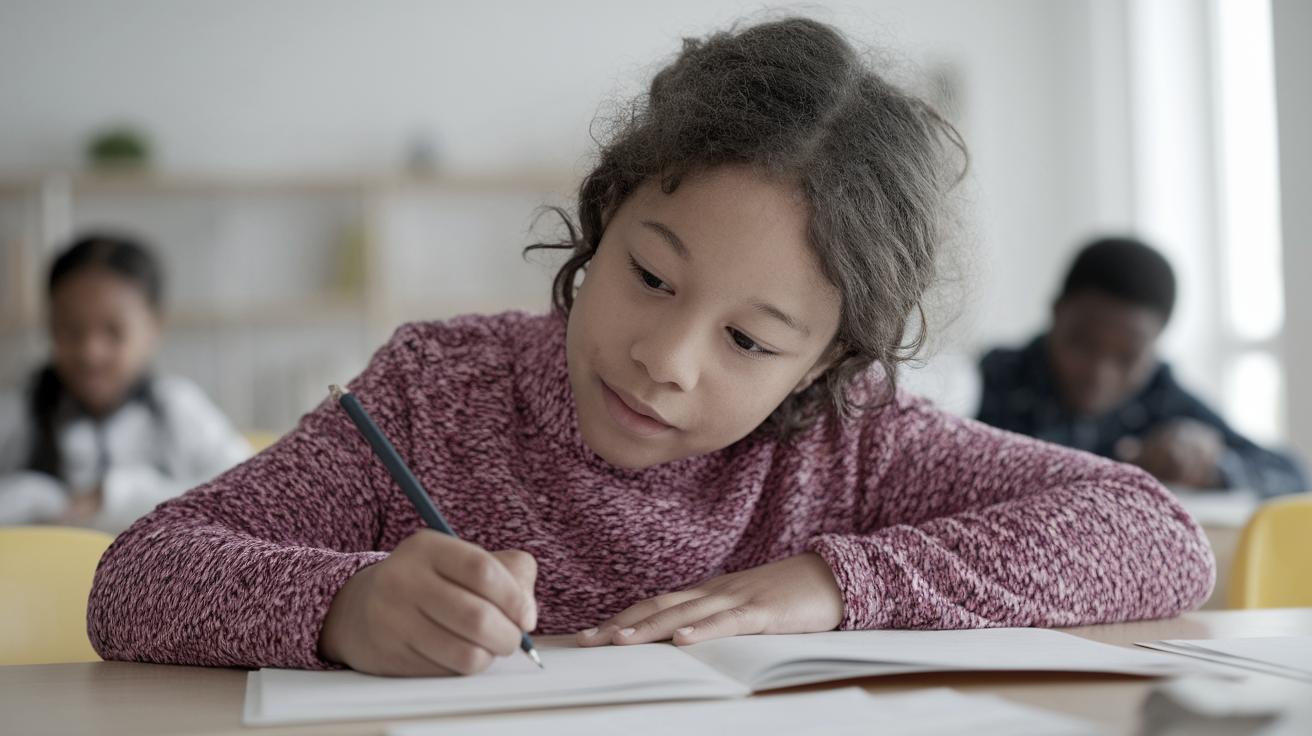
How to Support Students in Transition Periods
Transition periods, whether they’re moving from high school to college, changing schools, or adjusting to new
academic challenges, can be daunting for students. Providing the right support during these transitional times
is essential to ensure student success and well-being. This blog post explores effective transition strategies,
how educators and families can work together to ease these periods, and the resources available to help
students adapt to new environments and meet new expectations. With thoughtful planning and proactive support,
we can help students not only survive but thrive during these pivotal moments.
Transition Strategies
Effective transition strategies involve a well-rounded approach that encompasses understanding, preparation,
and ongoing support. One fundamental strategy is communication: educators should clearly articulate the changes
students will face and what is expected of them. Prior to transitions, orientations or workshops can be
organized to provide students with a firsthand experience of their new environment, allowing them to become
familiar with new routines, people, and expectations.
Additionally, establishing a support network can make a significant difference. Mentorship programs, peer-led
initiatives, or buddy systems can be beneficial in helping new students feel welcomed and supported. This
social connection provides the emotional backing needed to navigate transitions effectively. Alongside these
efforts, schools and institutions must ensure that there is substantial academic support available, whether
through tutoring services or access to resources that help students meet the new academic demands.
Working with Students to Adjust to New Environments and Expectations
Adjustment to new environments and expectations often requires collaboration between educators, families, and
the students themselves. Educators must recognize the uniqueness of each student’s journey and adapt support
accordingly. Personalized learning plans or counseling sessions can help address specific challenges students
face. Building a positive and inclusive school culture also fosters an environment where students feel accepted
and eager to engage fully in the educational process.
Furthermore, families play an integral role in their children’s transition process. Regular communication
between schools and families ensures that everyone is on the same page, culturally responsive practices can
empower families to better support their children’s educational journeys. Encouraging students to set realistic
goals and develop resilience through challenges equip them with life skills that extend beyond the academic
realm, further aiding their adjustment to changes.
Share This Story
If you found our exploration of how to support students in transition periods insightful, don’t hesitate to
share this knowledge with your community. Engaging others in this conversation amplifies our collective efforts
to improve educational experiences for students worldwide. Let’s work together to build environments where
every student feels supported, secure, and ready to step into the future with confidence. Share this story on
your social platforms, email it to a friend, or start a discussion to spread awareness and inspire change.
Filed Under
This article is filed under the categories of Education, Transitional Support, Student Well-being, and Academic
Success. It aligns with interests in educational development, student-centered strategies, and community
engagement in academic settings. Explore our other articles for further insights into fostering educational
growth and supporting students through various phases of their academic life.
Next Steps
| Aspect | Action Items |
|---|---|
| Transition Strategies | Implement communication plans, organize orientations, and develop support networks. |
| Working with Students | Collaborate with educators and families, create personalized supports, foster inclusive culture. |
| Community Engagement | Encourage sharing of resources and ideas to expand student support efforts. |