Traditional vs. Progressive Education: Understanding the Key Differences
In the ever-evolving landscape of education, two predominant philosophies—traditional and progressive education—continue to shape learning approaches worldwide. Traditional education emphasizes structure and standardized curricula, fostering a more teacher-centered environment. On the other hand, progressive education embraces student-centered learning, focusing on creativity and critical thinking. This blog post will explore these educational paradigms in detail. We’ll delve into what defines each system, compare their curriculums, and provide guidance for making an informed choice between the two. Along the way, we’ll offer useful resources for deeper exploration and wrap up our discussion with a concise summary.
What is the Traditional System of Education?
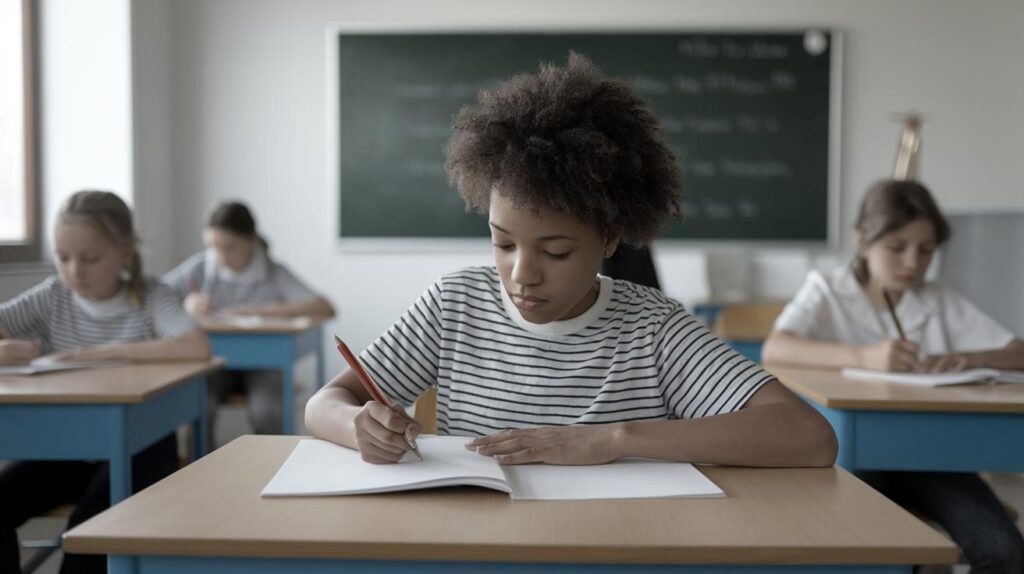
The traditional education system has been the cornerstone of learning for centuries. This approach is characterized by structured learning environments where educators are the primary source of knowledge. Students are often seated in rows, attentive to lectures and guided through a standardized curriculum designed to impart a comprehensive body of knowledge. The traditional method prizes consistency, discipline, and measurable outcomes.
In traditional education, assessment methods are often objective in nature, relying heavily on quizzes, tests, and examinations to gauge student understanding. This standardization aims to ensure that all students are evaluated fairly and uniformly. Generally, subjects are taught in a siloed fashion, with a focus on theory and memorization.
Teachers in a traditional system are viewed as authoritative figures who dispense information and maintain control over the classroom. This model is conducive to predictability and order but can sometimes limit opportunities for student expression and creativity.
What is the Meaning of Progressive Education?
Progressive education emerged as a response to the more rigid traditional model, advocating for a child-centered approach to learning. Spearheaded by educational reformers like John Dewey, this philosophy emphasizes developing critical thinking, problem-solving skills, and personal interests. The classroom environment is designed to be dynamic and adaptable, allowing students to engage collaboratively and learn through experiences.
In a progressive educational setting, curriculum design is flexible, integrating interdisciplinary themes that connect learning to real-world contexts. This system endorses experiential learning, encouraging students to ask questions, explore ideas, and participate actively in their educational journey.
Teachers taking the progressive approach act more as facilitators than authoritative figures. They guide discussion, promote inquiry, and nurture individual student interests, creating an inclusive environment where every voice matters.
Traditional vs Progressive Education: Differences of Curriculums
When comparing the curricula of traditional and progressive education systems, one notices profound differences in structure and delivery. Traditional curriculums are often standardized and segmented by subjects. The focus is often on mastering a specific set of skills and knowledge, generally taught in a linear fashion. This can make it easier for teachers and students to measure progress and ensure consistency across learning stages.
In contrast, progressive curriculums emphasize thematic, interdisciplinary learning, where subjects are integrated to reflect practical, real-world applications. Rather than following a strict sequence of content, progressive curricula allow for learning based on student interest and current events, thus promoting engagement and relevancy. Evaluations are often based on projects and personal growth rather than standardized tests.
While traditional education may provide a stable framework of knowledge, progressive education enhances adaptability, preparing students to navigate complex and evolving societal landscapes.
Choosing Between Traditional and Progressive Education
Deciding between traditional and progressive education depends on individual learning styles, goals, and values. For parents and students who prioritize a structured environment with clear expectations and measurable outcomes, traditional education can offer a sense of security and consistency.
Alternatively, those seeking an environment that fosters critical thinking, creativity, and personal growth may find progressive education more appealing. It provides students with opportunities to take charge of their learning and develop skills relevant to the 21st-century workplace. The choice may also be influenced by the teaching culture at specific schools and how well their philosophy aligns with family and learner aspirations.
Another critical factor to consider is how each system equips students for higher education and eventual employment. Understanding these dynamics can help learners and parents make informed decisions that align with long-term objectives.
Useful Resources
For those interested in further exploring traditional and progressive education principles, a range of resources is available:
-
Edutopia
: A comprehensive resource for articles and insights on innovative learning approaches. -
Partnership for 21st Century Learning
: Offers insights into skills considered essential for future success, emphasizing the progressive approach. -
ASCD (Association for Supervision and Curriculum Development)
: Provides guides on both traditional and progressive education practices.
Wrapping it Up
| Aspect | Traditional Education | Progressive Education |
|---|---|---|
| Learning Environment | Structured, teacher-centered | Dynamic, student-centered |
| Curriculum | Standardized, subject-based | Flexible, interdisciplinary |
| Assessment | Objective, exams-focused | Project-based, personal growth |
| Teacher’s Role | Authoritative, knowledge dispenser | Facilitator, guide |
| Focus | Knowledge acquisition | Critical thinking and creativity |
As the educational landscape continues to evolve, understanding the nuances between traditional and progressive systems remains crucial for making an impactful educational choice. One approach might seem better than the other depending on individual circumstances, learning preferences, and future goals. We hope this exploration provides a clear understanding and aids in navigating these educational paths.